




How to Play Craps: Rules, Bets, and the Table Explained
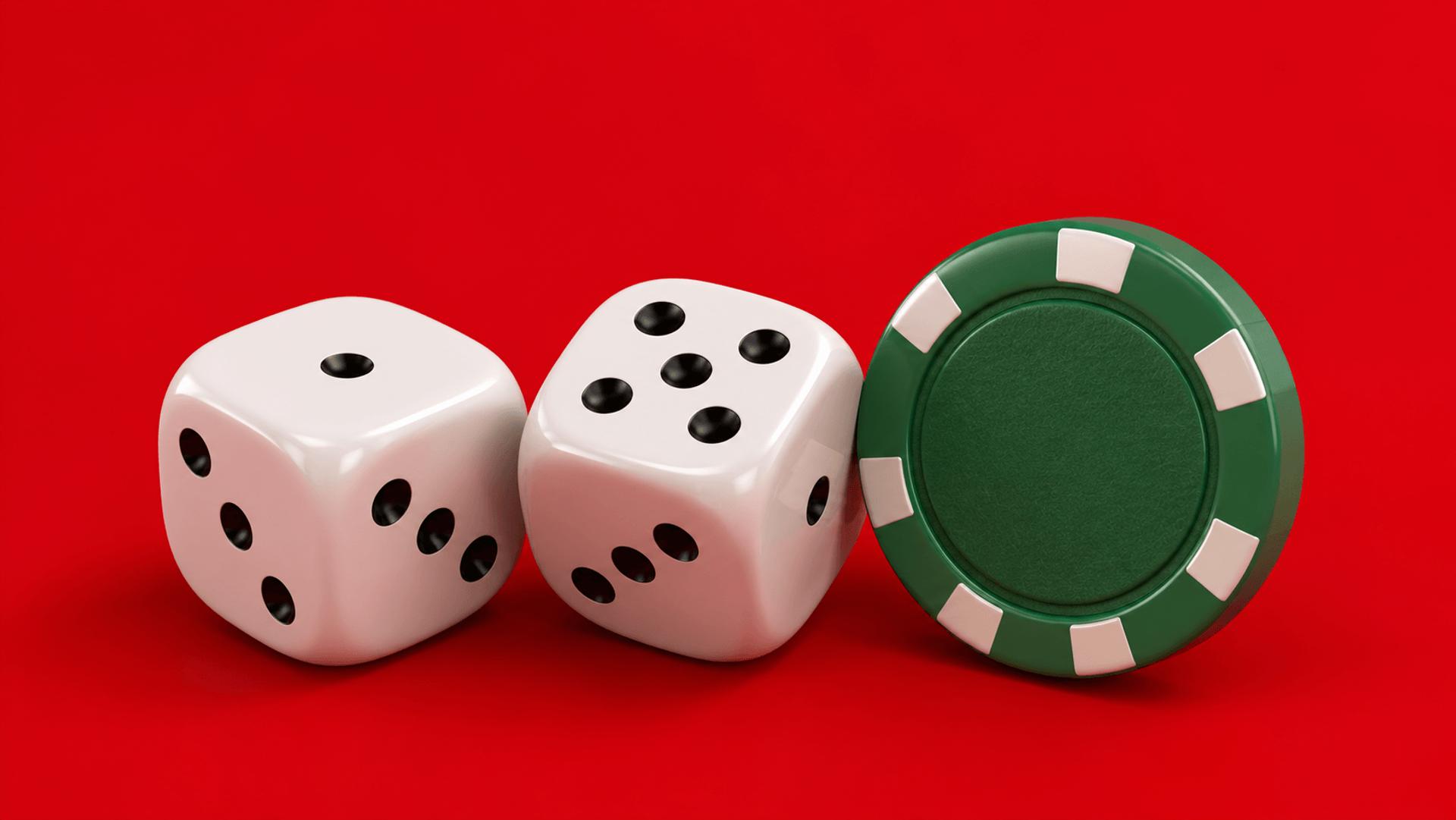
Walk past a craps table and you'll hear it before you see it. Cheering, groaning, dice bouncing off a felt wall, and a crowd that seems to share a collective heartbeat.
From the outside, it looks like something that takes years to learn. The table is covered in numbers, symbols, and betting areas that appear to require a decoder ring.
That reputation is almost entirely undeserved. The core of how to play craps comes down to one bet, one roll, and one question: does the shooter hit their number or not? Once that clicks, the rest of the table starts to make sense.
At Jackpot.bet, the full table is live with real money play, and the rules are simpler than the table makes them look.
What Is Craps?
Craps is a dice game where players bet on the outcome of two dice being rolled. One person at the table rolls, the shooter, and everyone else bets on what the dice will do.
Players wager against the house, not each other, and a single round can end on one roll or stretch across dozens depending on the numbers that come up.
The craps rules are straightforward. What makes the game feel complicated is the table layout and the sheer volume of betting options visible at once.
Strip those away and the game runs on a single core mechanic that takes about five minutes to grasp.
The Craps Table
The craps table is mirrored on both sides, the same betting areas appear on the left and right so more players can reach the layout.
The sections to know before placing a single chip:
-
Pass Line - the long strip running along the edge of the table closest to players. The most fundamental bet in craps sits here.
-
Don't Pass - positioned just inside the Pass Line. Betting against the shooter starts here.
-
Come and Don't Come - located in the centre of the table. These work on the same logic as Pass and Don't Pass but are placed after the round has already started.
-
Place Bet Boxes - the numbered boxes (4, 5, Six, 8, Nine, 10) in the upper half of the layout. Bets placed here win if that number rolls before a 7.
-
Proposition Bets - the cluster of one-roll bets in the very centre of the table, handled entirely by the dealer. High house edge, best avoided as a beginner
How a Round of Craps Works
Every round follows the same structure, and once the sequence is familiar, the whole table starts to make sense.
The Come Out Roll
Every round begins with the come out roll, the first roll of a new round. Before it happens, players place their bets. The result determines where the round goes next:
-
Roll a 7 or 11: Pass Line bets win immediately. Round ends.
-
Roll a 2, 3, or 12 (called craps): Pass Line bets lose immediately. Round ends.
-
Roll a 4, 5, 6, 8, 9, or 10: That number becomes the Point. The round continues.
The Point Phase
Once the Point is set, the dealer places a puck marked ON over that number on the table. The shooter keeps rolling. The goal from here is simple: roll the Point again before rolling a 7.
-
Point rolls before a 7: Pass Line wins. Round ends, new come out roll begins.
-
7 rolls before the Point: Pass Line loses. The shooter "sevens out" and the dice pass to the next player.
That sequence, come out roll, point established, point or seven, is the complete foundation of how to play craps. Every other bet on the table is built around or alongside this structure.
Craps Bets Explained
The craps table offers more betting options than most casino games, but only a handful are worth focusing on as a beginner. Here's what each one does and where it sits in terms of value.
Pass Line Bet
The pass line bet is where almost every new player starts. Place your chips on the Pass Line before the come out roll.
Win on a 7 or 11, lose on a 2, 3, or 12, and if a Point is set, root for that number to repeat before the 7 shows up. The house edge sits at 1.41%, making it one of the better bets on any casino table.
Don't Pass Bet
The don't pass bet is the opposite side of the same coin. On the come out roll, 2 or 3 wins and 7 or 11 loses. If a 12 rolls, it's a push. Once a Point is set, the don't pass bet wins if the 7 comes before the Point.
The house edge drops slightly to 1.36%. Some players prefer this position mathematically, though it puts you at odds with the rest of the table, which tends to be betting with the shooter.
Come and Don't Come Bets
Come bets follow the exact same rules as the pass line bet but are placed after the Point has already been established.
Any number that rolls after a Come bet is placed becomes that bet's own personal point. Don't Come works the same way in reverse. Both are useful for players who want action on multiple numbers at once without waiting for a new round.
Odds Bets
The odds bet is the only wager in a casino with zero house edge. It's placed behind a pass line or come bet once a Point is established and pays at true odds, meaning the casino takes no cut. The payout depends on the Point number:
-
4 or 10: pays 2 to 1
-
5 or 9: pays 3 to 2
-
6 or 8: pays 6 to 5
Adding craps odds behind a pass line bet is the single most effective way to lower the house edge in the game. Always take them when available.
Place Bets
Place bets let you bet directly on a specific number, 4, 5, 6, 8, 9, or 10, without waiting for the come out roll. If that number rolls before a 7, the bet pays out.
The 6 and 8 carry the lowest house edge of the place bet options at 1.52%, making them the ones worth focusing on.
Proposition Bets
Proposition bets sit in the centre of the table and cover specific one-roll outcomes like Any Seven, Any Craps, or Hardways.
They pay large but carry house edges that range from 9% to over 16%. Avoid them until the rest of the game is familiar.
Basic Craps Strategy
No system changes the math in craps, but smart bet selection keeps the house edge low and sessions alive longer.
The pass line paired with maximum odds behind it is the strongest position on the table, simple to place and one of the lowest combined edges in any casino.
For place bets, the 6 and 8 are the only ones worth considering early on, rolling more frequently than any other Point numbers at a 1.52% edge.
Proposition bets pay well but cost more, house edges between 9% and 16% make them a bankroll drain. Keep bets sized at 1–2% of the session budget and flat bet through cold stretches rather than chasing losses.
Conclusion
Craps looks intimidating until you've seen a few rounds play out. The come out roll sets the tone, the point phase determines the result, and the pass line bet is the thread that ties it all together.
Learning how to play craps is a matter of getting those three things clear, everything else on the table is optional until you're ready for it.
The game is live on Jackpot.bet, and the casino floor is open whenever you are.
Frequently Asked Questions
Is craps hard to learn?
The basics are straightforward, it's mainly the table layout and the volume of betting options that make it look complex. Stick to the pass line and odds bet to start and the rest of the game becomes easier to follow with each round.
What is the best bet in craps for beginners?
The pass line bet paired with an odds bet behind it is the standard starting point. It's easy to place, carries a low house edge, and follows the core mechanic of the game directly.
What happens when you roll a 7 in craps?
It depends on the phase of the round. On the come out roll, a 7 wins for pass line bettors. Once a Point has been set, rolling a 7 ends the round, the shooter sevens out, pass line bets lose, and the dice move to the next player.
Can you play craps online for real money?
Yes. Craps is available at Jackpot.bet in both standard and live dealer formats, with real money play and the full range of betting options from the pass line through to place bets and odds.