






Gambler's Fallacy Bias: Responsible Betting & Logic Control
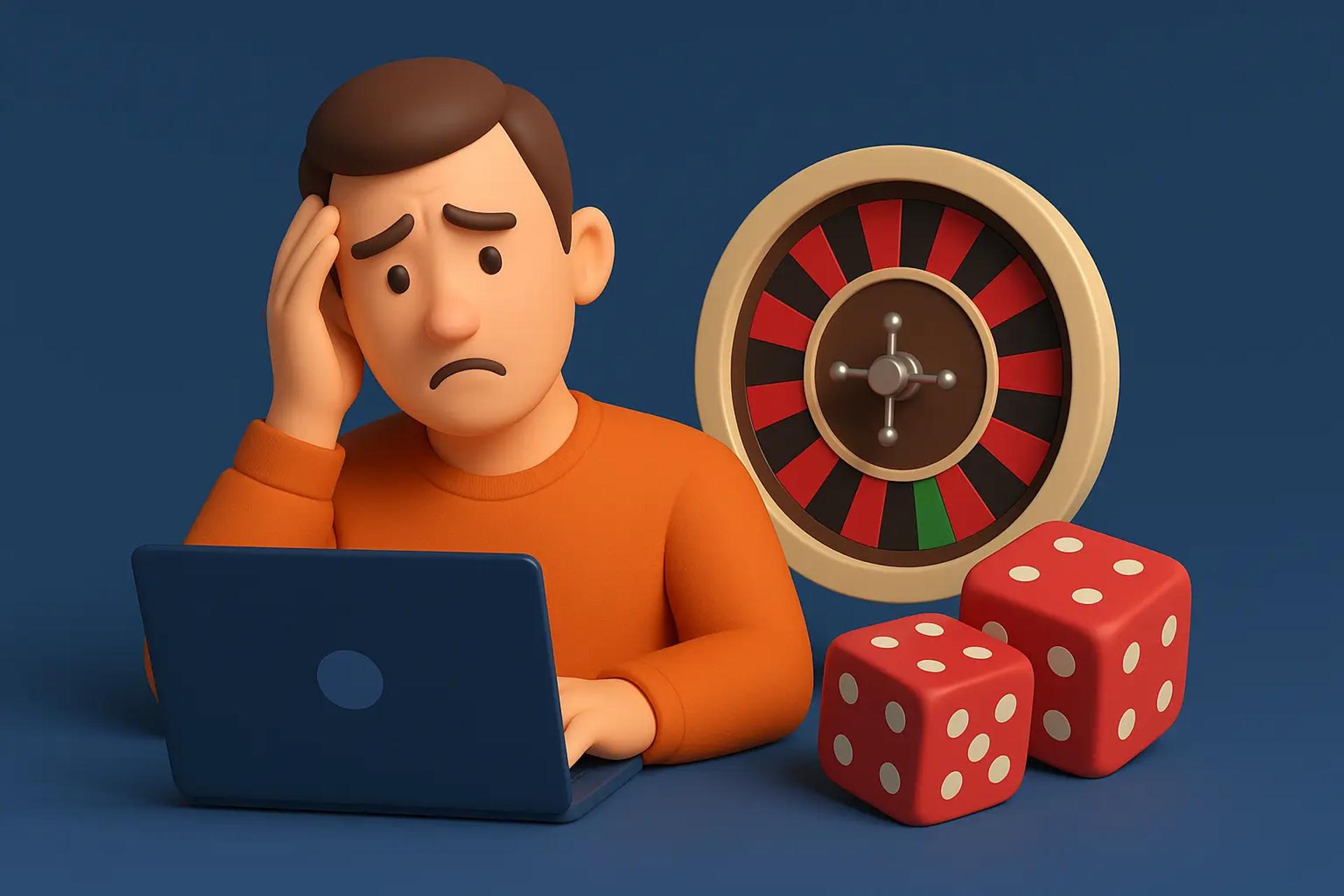
Gambler’s fallacy often shows up quietly, especially after several losses in a row, when a bettor feels that a win must arrive next. That thought grows stronger once patterns appear on a screen or scoreboard, even when no real connection exists.
A long run of red on roulette or repeated near misses creates tension, and the mind naturally searches for balance. As that expectation builds, logical judgment starts to fade. Probability, however, remains unchanged and does not react to past outcomes.
When beginners recognize how gambler’s fallacy shapes decisions, they gain the ability to pause and reset their thinking.
That awareness leads to calmer choices, better bankroll control, and a more responsible betting mindset on platforms like Jackpot.bet.
What Is the Gambler’s Fallacy?
Gambler’s fallacy describes a belief that previous outcomes influence what happens next in games of chance. A bettor who sees several losses often feels a win must follow, simply to restore balance.
That feeling grows stronger once a pattern appears, even when no connection exists. Random events work independently, which means each result starts fresh. A coin toss offers a clear example. Five heads in a row do not push the next flip toward tails
The odds remain exactly the same. Dice rolls follow the same logic, and roulette spins behave no differently. A long run of red may look meaningful, yet probability does not react.
Once that separation becomes clear, expectations calm down and decision-making improves.
Why the Gambler’s Fallacy Feels So Convincing
The gambler’s fallacy feels believable because human thinking prefers order and reassurance, especially during uncertainty.
The Brain’s Pattern-Seeking Instinct
The brain naturally searches for structure, which helps in everyday decisions. That habit carries over into gambling, where repeated outcomes start to look connected. A streak creates tension, and the mind fills the gap with meaning.
Confidence rises as the urge for resolution grows stronger. Emotional pressure then pushes logic aside, which leads to riskier choices at the worst moment. Awareness of that instinct helps restore balance before action takes place.
Misunderstanding Randomness
Randomness often feels unfair in the short term, which causes frustration after repeated losses. Many expect outcomes to even out quickly, yet probability only shows balance over very large samples.
A small number of spins or bets cannot reveal any truth about future results. Once that idea settles in, reactions slow down and expectations become more realistic.
That calmer mindset aligns with the educational approach used by platforms like Jackpot.bet, where long-term understanding supports more responsible betting decisions.
Common Real-World Examples in Gambling
Gambler’s fallacy appears most often during moments that feel familiar to beginners. A roulette wheel lands on red several times, and a bettor assumes black must arrive soon.
That belief grows with every spin, even though the wheel carries no memory. Slot machines create similar reaction. After many spins without a payout, a player feels closer to a win, despite each spin starting fresh. Sports betting adds another layer.
A team loses three matches in a row, which leads some to expect a turnaround based on “due” logic rather than performance data. That expectation feels comforting, yet it rests on emotion rather than probability.
Once bettors recognise how easily patterns form in the mind, confidence shifts from prediction to control, which helps decisions stay grounded.
Gambler’s Fallacy vs Probability Reality
Gambler’s fallacy becomes clearer once expectation meets mathematical reality. Many betting decisions rely on belief rather than how probability actually works. A simple comparison helps reset thinking and brings clarity back into the process.
|
Situation |
What the Gambler Thinks |
What Probability Actually Says |
|
Five red spins on roulette |
Black must come next |
Each spin keeps the same odds |
|
Ten losing slot spins |
A win feels closer |
Every spin remains independent |
|
Team on a losing streak |
A rebound looks certain |
Past games do not affect odds |
Once that contrast becomes visible, assumptions lose power. Each event resets completely, no matter what came before.
Understanding that reset logic helps bettors slow down and protect their bankroll.
How This Bias Leads to Risky Betting Decisions
Gambler’s fallacy often pushes bettors toward choices that feel justified in the moment. After a series of losses, frustration builds and patience fades. That emotional pressure leads many to chase losses, hoping one bet will restore balance.
As confidence shifts without real evidence, bet size starts to increase. A losing streak then feels like proof that a reversal must arrive. That false certainty encourages risk rather than control.
A common gambler’s fallacy example appears when a bettor doubles a stake after repeated losses, convinced probability now favors a win.
Each decision feels logical on its own, yet together they increase exposure and drain bankrolls faster than expected.
Simple Mathematics Beginners Should Understand
A clearer understanding of basic probability helps replace emotional reactions with calmer decisions.
Independent Events Explained Simply
Each bet exists on its own timeline. A coin toss does not care about the last result, and neither does a roulette spin or a match outcome. Previous losses do not influence future chances. Once that idea sinks in, expectations soften and pressure eases. Decisions then rely on logic rather than hope.
Why Odds Do Not “Correct Themselves”
Odds reflect probability, not fairness over short periods. Betting markets price events based on long-term data, not recent streaks. A run of losses does not push the market toward balance. Every new event starts fresh, which explains why chasing patterns often leads to disappointment rather than recovery.
Signs You Might Be Falling Into the Gambler’s Fallacy
Gambler’s fallacy often appears subtly, which makes awareness essential. Certain thought patterns tend to surface before risky decisions take shape.
-
Believing a loss makes a win feel due, even without any change in odds
-
Increasing stake size after repeated losses, driven by urgency rather than logic
-
Betting based on streaks instead of value, while ignoring probability or data
Practical Ways to Control the Bias While Betting
Gambler’s fallacy loses power once structure replaces impulse. A clear bankroll separation creates a mental boundary that protects decision-making.
Pre-set limits then act as a second layer of defense, especially after losses test patience. Short pauses between bets help emotions settle and prevent rushed choices. Logic checkpoints also help, where a bettor asks simple questions before committing.
Does probability support the bet, or does frustration drive the decision? Over time, that routine builds discipline.
Platforms like Jackpot.bet support that learning-focused approach by encouraging thoughtful, responsible betting rather than emotional reactions.
Responsible Betting Mindset for Beginners
Gambler’s fallacy fades once betting shifts from emotion toward understanding. Beginners benefit most when learning takes priority over short-term results.
Each bet becomes a probability exercise rather than a personal challenge. Losses then offer information instead of frustration, while wins remain outcomes rather than confirmation of skill. That perspective supports patience and protects bankrolls over time.
Probability management encourages smaller decisions, clearer limits, and realistic expectations. Confidence grows from consistency, not streaks.
Final Thoughts
Gambler’s fallacy influences many betting decisions without obvious warning. Awareness marks the first step toward control.
Once randomness feels familiar, pressure loses strength. Logic then guides choices instead of hope or frustration. Responsible betting relies on patience, structure, and respect for probability.
A calm approach builds better habits and reduces costly mistakes. Over time, understanding replaces impulse, which leads to clearer thinking and more sustainable betting behavior.
Frequently Asked Questions
What is the gambler’s fallacy?
Gambler’s fallacy refers to the belief that previous outcomes affect future results in games of chance. Each event remains independent, which means past losses or wins do not change the odds of what happens next.
Why is the gambler’s fallacy common among beginners?
Beginners often rely on visible patterns and short streaks. That habit creates false expectations, especially after repeated losses, where a win feels overdue even without any mathematical support.
Does the gambler’s fallacy apply to sports betting?
Yes, the gambler’s fallacy can appear in sports betting when bettors expect a team to win simply because it has lost several times in a row. Match outcomes still depend on current performance, odds, and probability rather than past streaks.
How can bettors avoid the gambler’s fallacy?
Awareness plays a key role. Clear limits, consistent stake sizing, and a focus on probability help reduce emotional decisions and support responsible betting behavior.