Confirmation Bias in Betting: Selective Information Processing
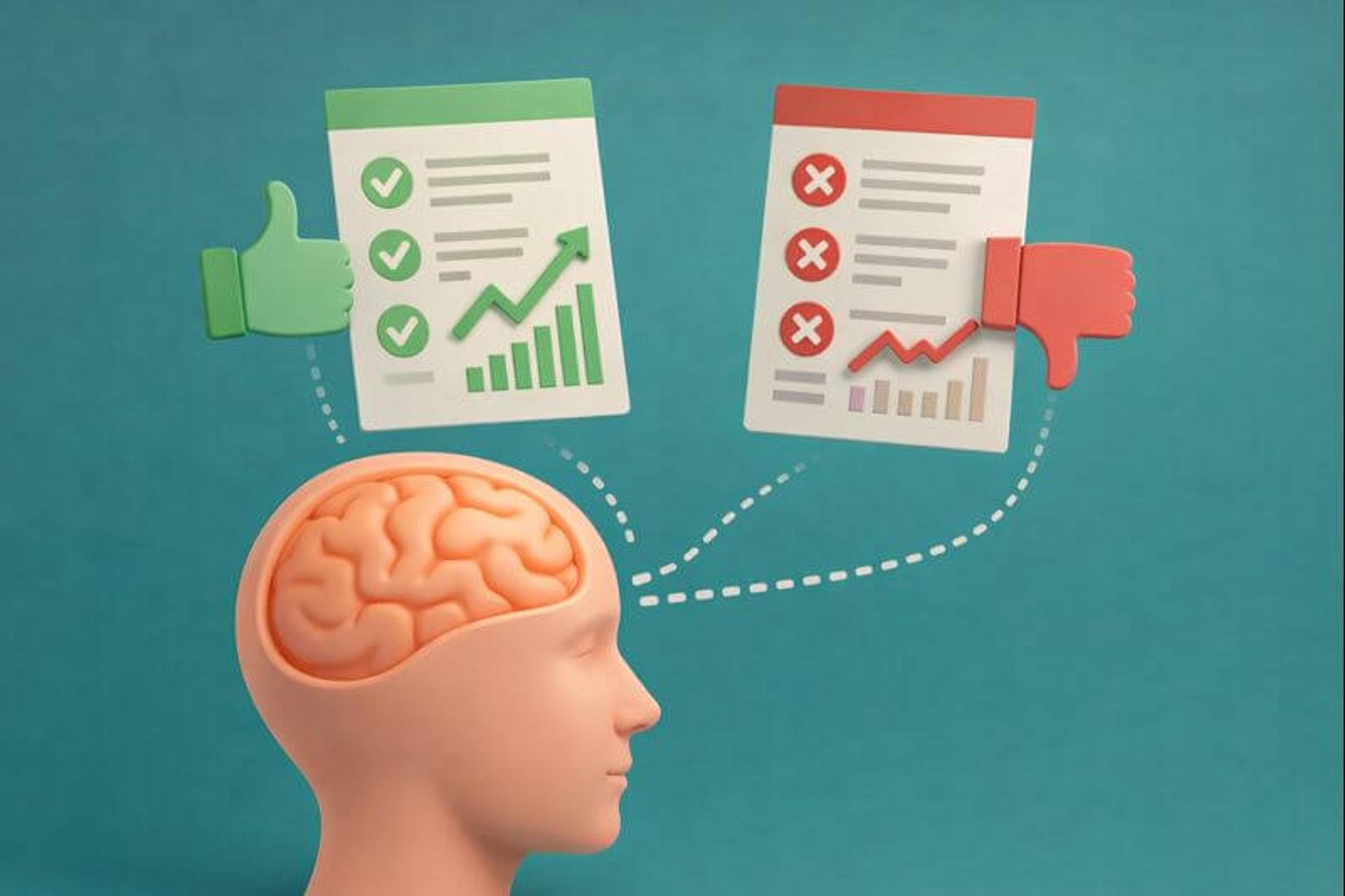
Confirmation bias shapes betting decisions long before a wager is placed. It refers to the tendency to seek out information that supports an existing opinion while ignoring details that contradict it.
In sports betting, this bias often appears when bettors lock onto a pick early, then build a case around it instead of testing it. Selective stats, favorable trends, and supportive opinions start to replace balanced analysis.
Over time, this approach weakens decision quality and inflates confidence without improving accuracy.
On Jackpot.bet, identifying confirmation bias is essential for maintaining objective evaluation, disciplined staking, and betting logic grounded in evidence rather than belief.
What Is Confirmation Bias?
Confirmation bias happens when a bettor gives more attention to information that supports an early opinion and ignores details that challenge it. Once a pick feels right, the research often shifts toward proving it rather than testing it.
This shows up in how stats are chosen, how trends are read, and which opinions are trusted. Positive signs get highlighted, while warning signs get pushed aside or explained away. Over time, the picture starts to look one-sided, even though the bettor believes the analysis is thorough.
Unlike tilt betting, confirmation bias does not require frustration or pressure. It works quietly during research, shaping decisions before a bet is placed. Because the process feels logical, the bias often goes unnoticed.
How Confirmation Bias Shows Up in Sports Betting
Confirmation bias rarely appears in obvious ways. It usually hides inside normal research habits and familiar betting routines.
Selective Use of Statistics
One of the most common signs of confirmation bias is selective stat usage. A bettor may highlight strong offensive numbers, recent wins, or favorable head-to-head results that support a pick.
At the same time, defensive weaknesses, injuries, or matchup issues receive little attention.
For example, a team’s scoring average might look impressive, but pace, opponent strength, or recent lineup changes get ignored. The stats are real, but the selection is incomplete.
Trend Fixation Without Context
Trends often feel reliable, which makes them easy tools for confirmation bias. A bettor may point to a winning streak, a strong home record, or a profitable angle from previous seasons to support a wager.
What often goes missing is context. Opponent quality, schedule changes, rule updates, or roster turnover can make old trends less relevant.
Confirmation bias encourages bettors to treat trends as proof rather than starting points for deeper analysis.
Favoring Supportive Opinions
In modern betting, opinions are everywhere. Podcasts, previews, social media, and betting forums provide constant input. Confirmation bias pushes bettors toward voices that agree with their lean.
If a bettor already favors one side, they may seek out analysts who support that view while ignoring opposing takes. Over time, this creates an echo chamber where confidence grows without challenge.
Explaining Away Contradictory Information
When opposing data cannot be ignored, confirmation bias often reframes it. Injuries become “not serious.” Poor form becomes “bad luck.” Tough matchups become “overblown.”
Instead of reassessing the bet, the bettor adjusts the explanation to protect the original opinion. This keeps the wager intact but weakens the decision behind it.
Confirmation Bias vs Gambler’s Fallacy
Confirmation bias is often confused with other betting mistakes, especially gambler’s fallacy. While both affect judgment, they operate in different ways.
Gambler’s fallacy centers on false expectations about streaks. It assumes outcomes must balance out, such as believing a team is “due” for a win after repeated losses.
Confirmation bias focuses on information, not probability. It filters which facts get attention and which do not.
Both can appear in the same betting decision, but confirmation bias usually shapes the analysis stage, while gambler’s fallacy shapes expectations about outcomes.
How Confirmation Bias Damages Betting Results
Confirmation bias rarely causes immediate losses on its own. Its damage builds over time through repeated small mistakes.
Reduced Decision Quality
When analysis becomes selective, decision quality drops. Bets rely on partial information instead of full evaluation. Odds no longer reflect true risk, which leads to mispriced confidence.
Overconfidence Without Edge
Confirmation bias increases confidence without improving accuracy. Bettors feel certain because the evidence they see supports the pick. The evidence they ignore could have changed the decision entirely.
Missed Opportunities
Bias does not only create bad bets. It also causes missed ones. A bettor locked into one view may ignore strong opportunities on the other side of the market simply because they conflict with an early opinion.
Weak Learning Over Time
Losses driven by confirmation bias often get blamed on luck rather than analysis. This prevents adjustment and improvement. Without honest review, the same mistakes repeat.
Confirmation Bias in Live Betting
Live betting often magnifies confirmation bias because decisions happen faster and emotions stay closer to the surface.
Once a bettor commits to a pre-match opinion, in-play markets can turn into an attempt to defend that view rather than reassess it, a pattern closely tied to the sunk cost fallacy.
Momentum shifts, tactical changes, or injuries may clearly alter the balance of a game, yet bettors continue backing the original side because it “should still work.”
Odds movement that contradicts the early read gets ignored, while brief positive moments get treated as proof the analysis was right all along.
In-play betting also encourages selective memory, where only supporting moments stand out while warning signs pass unnoticed, highlighting how betting psychology influences real-time decision-making.
Without a reset between markets, confirmation bias can push bettors into repeated live wagers built on the same flawed narrative instead of current conditions.
Managing Confirmation Bias in Betting Decisions
Confirmation bias cannot be removed completely, but it can be controlled with structure and discipline.
Test the Opposite Side
After forming an initial lean, actively search for reasons the bet could fail. Look for stats, trends, and matchup issues that support the opposing side. If those reasons feel uncomfortable, that usually means they matter.
Separate Opinion From Evidence
Forming a lean is natural. Treat it as a hypothesis, not a conclusion. Evidence should shape the final decision, not defend the first thought.
Use a Consistent Research Process
A fixed process limits bias. Review the same categories for every bet: form, injuries, matchups, price movement, and market context. This reduces the chance of skipping inconvenient details.
Delay Final Decisions
Time creates distance from early opinions. Waiting before placing a bet allows new information to surface and reduces attachment to initial thoughts.
Track Reasoning, Not Just Results
Recording why a bet was placed helps reveal patterns driven by belief rather than logic. Over time, this makes bias easier to spot and correct.
Confirmation Bias and Responsible Betting on Jackpot.bet
Responsible betting relies on clear thinking as much as bankroll control. Confirmation bias undermines both by pushing bettors toward selective reasoning and false certainty.
Jackpot.bet offers tools that encourage structure and control, including limits that slow decision-making during emotionally charged moments. Used correctly, these tools support discipline and reduce reaction-based betting driven by belief rather than evidence.
Responsible betting does not mean avoiding confidence. It means ensuring confidence comes from balanced analysis, not selective information.
Conclusion
Confirmation bias shapes betting decisions quietly and consistently. By favoring information that supports an early opinion, it distorts analysis, inflates confidence, and weakens long-term results. The danger lies in how reasonable the process feels while critical details get ignored.
Controlling confirmation bias requires structure, patience, and a willingness to challenge personal beliefs.
On Jackpot.bet, strong betting decisions come from testing ideas, not protecting them. When evidence guides decisions instead of preference, betting logic improves and mistakes become easier to correct.
Frequently Asked Questions
What is confirmation bias?
Confirmation bias is a mental tendency to favor information that supports an existing belief while ignoring information that challenges it.
What is confirmation bias meaning in betting?
In betting, confirmation bias meaning refers to building a wager around selective stats, trends, or opinions that support a pick instead of evaluating all relevant information.
How does confirmation bias affect betting decisions?
It leads to one-sided analysis, overconfidence, poor odds evaluation, and repeated mistakes that damage long-term performance.
How can bettors reduce confirmation bias?
By testing opposing views, following a fixed research process, delaying decisions, and tracking the reasoning behind each bet rather than focusing only on results.