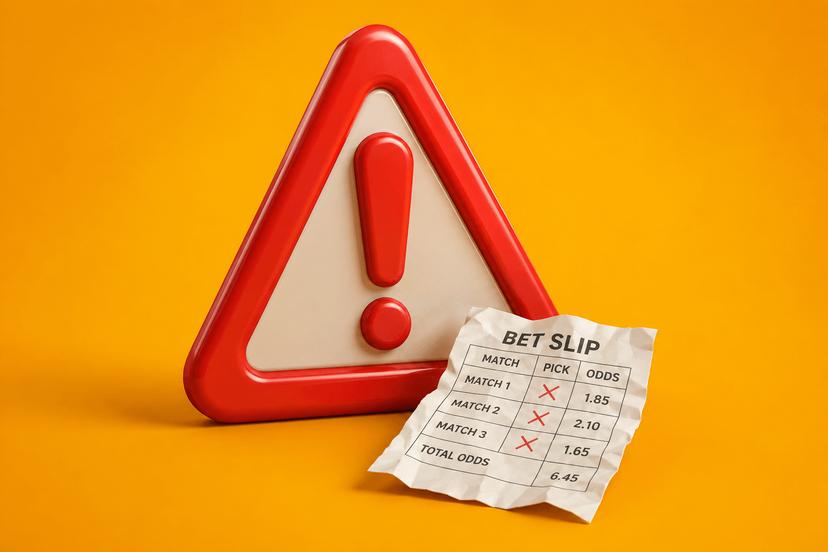






Loss Aversion Bias: Responsible Betting & Decision Control
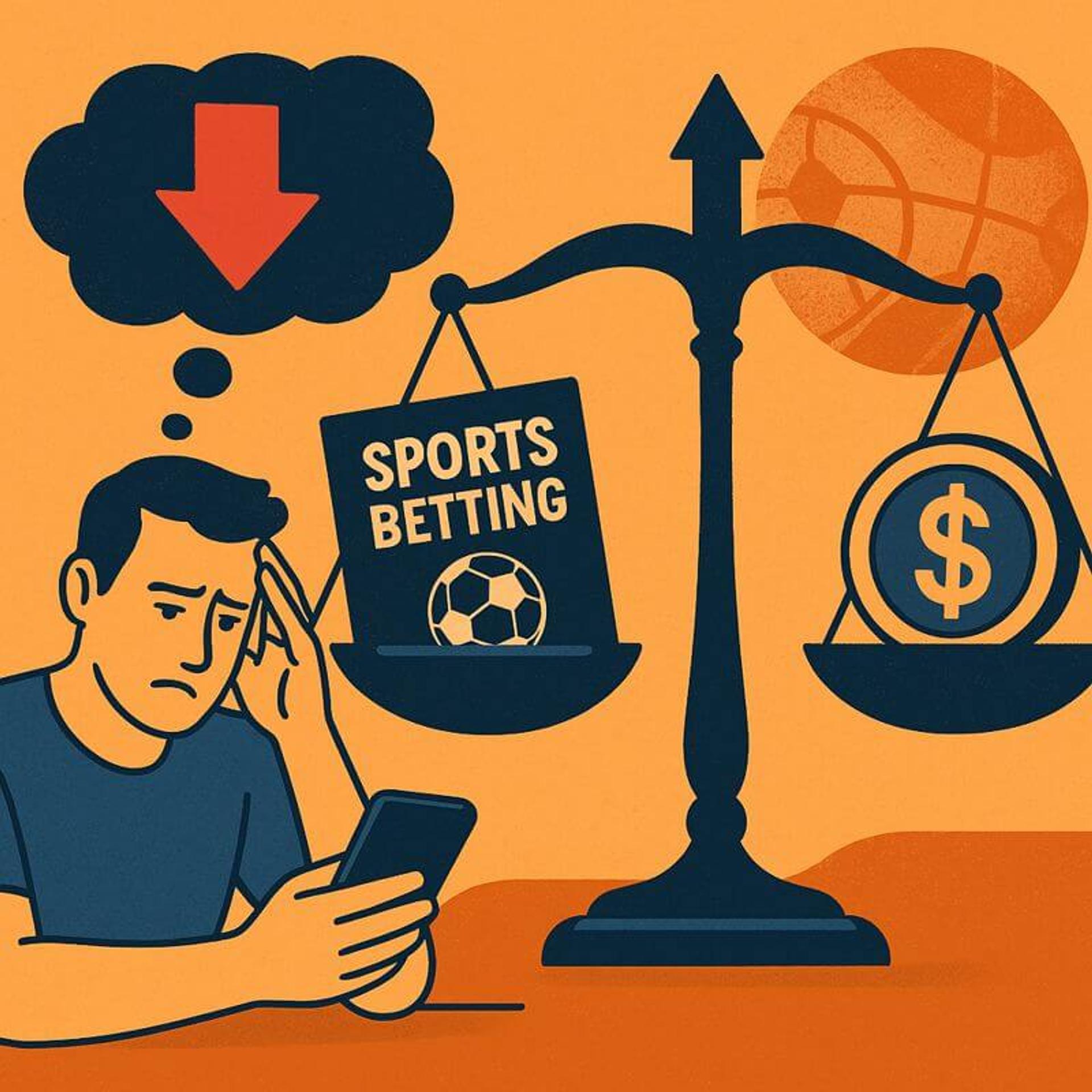
Loss aversion plays a quiet but powerful role in betting decisions. It describes the tendency to fear losses more than valuing equivalent wins, even when the numbers support taking a risk.
In sports betting, this bias often shows up through early cash-outs, avoided value bets, or overly cautious wagering that prioritizes not losing over winning.
While these choices may feel safe in the moment, they often work against long-term results.
On Jackpot.bet, recognizing how loss aversion influences behavior is essential for keeping decisions structured, rational, and aligned with responsible betting rather than short-term emotional comfort.
What Is Loss Aversion?
Loss aversion is a behavioral bias where the emotional impact of losing outweighs the satisfaction of winning by a significant margin.
In practical terms, a loss feels heavier than a gain of the same size feels rewarding. This imbalance affects decision-making even when outcomes are statistically equal.
In betting, loss aversion meaning becomes clear once money is at risk. A bettor may reject a wager with strong odds simply because the possibility of losing feels unacceptable.
The focus shifts away from value and probability toward avoiding emotional discomfort.
This bias does not require frustration or anger to appear. Unlike tilt, loss aversion operates quietly, shaping choices even when a bettor feels calm. It influences decisions before bets are placed, which is why betting psychology plays such a central role in long-term betting control.
How Loss Aversion Bias Shows Up in Sports Betting
Loss aversion bias alters behavior in predictable ways. It does not always push bettors toward reckless risk. More often, it encourages overly defensive decisions that limit upside while offering no real protection.
Cashing Out Too Early
One of the most common effects of loss aversion is frequent early cash-outs. When a bet moves into a favorable position, fear replaces patience.
The bettor secures a partial payout to avoid the pain of watching a winning ticket turn into a loss.
While this feels responsible, it usually reduces expected value. Cash-out offers are priced conservatively by sportsbooks, meaning bettors often give up long-term profit in exchange for immediate relief. Repeating this pattern consistently erodes returns.
Avoiding Value Bets
Loss-averse bettors often skip wagers that carry positive expected value if the chance of losing feels too high. Underdogs, alternative lines, and certain futures markets fall into this category.
Instead of evaluating probability versus payout, the decision centers on whether a loss might occur. This mindset eliminates opportunities where risk is justified by reward, narrowing betting activity to familiar but less profitable options.
Favoring Low-Reward Bets
Another symptom is an attachment to short odds. Heavy favorites, small returns, and high win frequency feel safer, even when the payout barely offsets the risk.
The bettor prioritizes the feeling of winning over actual profitability. Over time, one loss at short odds can undo many small gains, making this approach inefficient despite its emotional appeal.
Chasing “Break-Even” Outcomes
Loss aversion can also surface after losses. Some bettors increase stakes not to win big, but to avoid finishing a session or day down. The goal becomes returning to zero rather than making a sound decision.
This behavior blurs the line between loss aversion and tilt. The common factor is refusal to accept a loss as final.
Loss Aversion vs Tilt vs Risk Aversion
These three concepts often overlap in betting behavior, but they describe different forces at work. Confusing them leads to poor self-diagnosis and ineffective corrections.
Loss aversion is a psychological bias rooted in how outcomes are emotionally weighted. Losses feel disproportionately painful compared to equivalent wins, which skews decision-making even when a bettor is calm and disciplined.
It influences choices before a bet is placed, such as avoiding value or exiting positions early, simply to reduce the chance of emotional discomfort.
Risk aversion is a preference, not a bias. Some bettors consciously choose lower variance strategies based on bankroll size, income stability, or personal comfort. When aligned with long-term goals, risk aversion can be rational.
The difference is intent: risk-averse bettors accept lower returns knowingly, while loss-averse bettors sacrifice value unintentionally due to fear.
Tilt in betting is an emotional state, not a standing bias. It emerges after frustration, bad beats, or losing streaks and leads to impulsive decisions.
Stakes rise, discipline collapses, and bets are placed reactively. Tilt is loud and visible, while loss aversion is quiet and persistent.
Loss aversion can exist without tilt, and risk aversion can exist without either. Problems arise when loss aversion fuels tilt or disguises itself as “playing it safe,” masking decisions that slowly damage long-term performance.
How Loss Aversion Damages Long-Term Results
Loss aversion rarely causes immediate collapse. Its damage accumulates quietly through repeated small concessions.
Reduced Expected Value
Cashing out early, skipping value bets, and favoring low odds all reduce expected value over time. Each individual decision may seem harmless, but the pattern compounds.
Poor Risk Distribution
Loss-averse bettors often accept unfavorable risk-reward ratios. They protect small gains while leaving themselves exposed to larger losses.
Strategy Abandonment
A few losses can cause bettors to abandon strategies that are statistically sound. Fear interrupts consistency, preventing long-term edges from playing out.
Emotional Fatigue
Constant fear of loss creates stress. Betting becomes reactive rather than structured, increasing the likelihood of mistakes even outside loss-averse decisions.
Managing Loss Aversion in Betting Decisions
Loss aversion cannot be eliminated, but it can be controlled.
Shift Focus to Process
Each bet should be evaluated on its own merit. A correct decision can still lose. Separating decision quality from outcome weakens emotional reactions.
Use Fixed Stakes
Predefined stake sizes reduce emotional flexibility. When stake decisions are removed from the moment, fear has less influence.
Set Cash-Out Rules in Advance
Decide when cashing out is justified before betting begins. Avoid making that decision mid-event when emotions are elevated.
Track Decisions, Not Just Results
Recording why a bet was placed exposes patterns driven by fear rather than logic. Over time, this creates accountability.
Accept Variance
Losses are part of betting. Treating them as operational costs rather than failures prevents overcorrection.
Use Responsible Betting Tools
Deposit limits, loss limits, and session limits act as guardrails when emotion clouds judgment. These tools exist to support discipline, not restrict success.
Loss Aversion and Responsible Betting on Jackpot.bet
Responsible betting relies on emotional control as much as bankroll management. Loss aversion undermines both when left unchecked.
Jackpot.bet provides tools designed to slow decision-making and reduce exposure during emotionally charged moments. When used correctly, they reinforce structure and prevent reaction-based betting.
Responsible betting does not mean avoiding losses entirely. It means managing them without allowing fear to dictate future decisions.
Conclusion
Loss aversion shapes betting decisions more often than most bettors realize. By prioritizing the avoidance of losses over the pursuit of value, it quietly undermines strategy, discipline, and long-term results.
Unlike tilt, it does not rely on frustration or anger to take hold, which makes it harder to spot and easier to justify.
Controlling loss aversion requires structure, patience, and acceptance of variance as part of betting.
On Jackpot.bet, responsible betting starts with recognizing this bias and refusing to let fear dictate decisions that should be driven by probability, value, and long-term perspective.
Frequently Asked Questions
What is loss aversion?
Loss aversion is a behavioral bias where losses feel more significant than equivalent wins. In betting, it leads to decisions focused on avoiding loss rather than maximizing value.
What is loss aversion meaning in betting?
In betting, loss aversion meaning refers to rejecting profitable opportunities or exiting winning positions early due to fear of losing money.
What is loss aversion bias?
Loss aversion bias describes how emotional weighting of losses distorts rational decision-making, even when odds and probabilities favor a bet.
How does loss aversion affect bankroll control?
It reduces expected value, encourages poor risk-reward choices, and leads to inconsistent strategy execution over time.