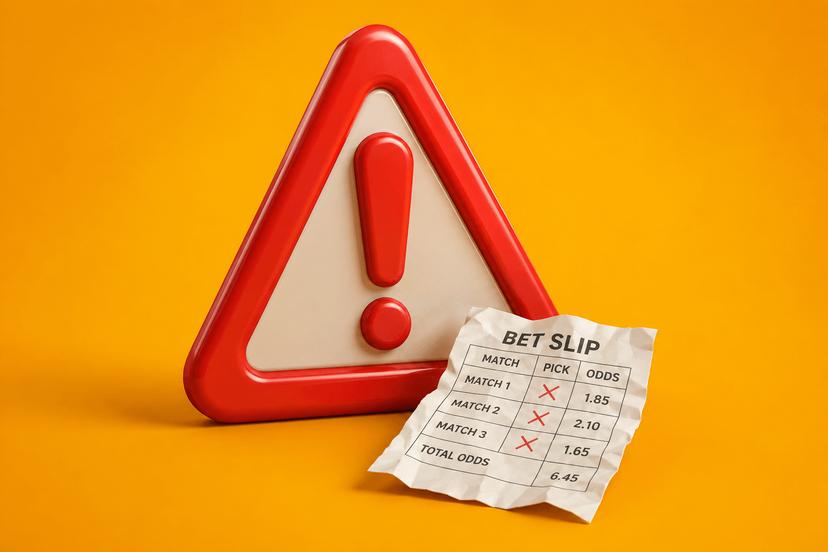






What Is Tilt in Betting? Emotional Decision Prevention Guide

Tilt in betting describes the moment emotion overrides discipline, often after a loss that feels unfair or frustrating.
When a bettor goes on tilt, decisions shift from planned strategy to impulsive reactions, increasing risk with every wager.
This state is common across sports betting, especially during losing streaks or bad beats that trigger urgency and anger. On Jackpot.bet, tilt usually shows up through rushed bets, inflated stakes, or wagers placed without proper analysis.
Recognizing what tilt looks like and how it develops is essential for keeping betting decisions controlled, consistent, and tied to long-term results rather than short-term emotion.
What Is Tilt? (On Tilt Meaning in Betting)
Tilt is a mental state where emotion interferes with rational betting decisions. In betting terms, the on tilt meaning refers to reacting to losses with frustration, urgency, or anger, then placing bets to recover money quickly rather than to find value.
This shift usually follows a bad beat or a short losing run, when discipline gives way to impulse.
When a bettor is on tilt, confidence becomes distorted. Losses feel personal, and the next wager is treated as a correction instead of a separate decision.
That mindset often leads to a tilt bet, where stake size increases, research disappears, and timing replaces judgment.
While the bettor may believe they are acting decisively, the process behind the bet has already broken down.
Tilt is not about bad luck. It is about losing emotional control, which turns normal variance into avoidable damage over time.
Why Bettors Go On Tilt
Tilt usually starts with a trigger rather than a single bad decision. A close loss, a late goal, or a referee call can create frustration that carries into the next wager. At that point, the focus shifts from making a good bet to fixing the previous result.
Losing streaks accelerate this process. After several losses in a row, bettors often feel pressure to recover quickly, even if the next opportunity does not offer real value.
That pressure narrows judgment and increases risk tolerance without any improvement in edge.
Overconfidence can also lead to tilt. A big win may encourage larger stakes or rushed bets, based on the belief that form or momentum will continue. In both cases, emotion replaces structure.
External factors matter as well. Fatigue, stress, or betting late without preparation lower discipline.
When mental focus drops, it becomes easier to justify bets that would normally be skipped. Tilt grows when these moments go unchecked.
Signs You’re Betting on Tilt
Tilt often shows up in behavior before it shows up in results. One of the clearest signs is chasing losses by increasing stake size after a bad outcome, especially when the next bet would not meet your usual criteria.
Bets placed quickly, without checking odds or context, point to the same problem.
Another warning sign is betting outside your normal scope. This might include wagering on unfamiliar leagues, markets you rarely use, or events chosen only because they are live. At that stage, action replaces analysis.
Emotional reactions also matter. Anger after a loss, urgency to place the next bet, or the belief that a win is “needed” signal a loss of control. When a bet feels like a correction instead of a decision, tilt has already taken hold.
Catching these signals early is critical. Once tilt drives the process, outcomes usually follow.
How Tilt Affects Betting Results and Bankroll
Tilt changes outcomes by changing behavior. When emotion drives decisions, bet quality drops even if odds look appealing on the surface. Stake sizes increase without justification, timing replaces preparation, and risk stacks quickly.
From a bankroll perspective, tilt compresses losses into a short window. Instead of absorbing normal variance over time, a bettor exposes a large portion of their balance in a few emotional decisions.
One tilt bet often leads to another, creating a cycle where each loss pushes the next wager to be larger or more urgent.
Tilt also distorts perception. Losses feel heavier, wins feel corrective rather than earned, and long-term goals disappear.
At that point, bankroll management stops functioning. What should be a controlled decline turns into a sharp drawdown that is difficult to recover from.
The damage is rarely caused by one bad pick. It comes from abandoning structure when discipline matters most.
How to Prevent Tilt Before It Starts
Preventing tilt begins with structure. Clear staking rules create distance between emotion and action, which limits damage when results go against you.
Fixed bet sizes and predefined loss limits remove the option to react impulsively, even after a frustrating outcome.
Timing also matters. Stepping away after a loss gives perspective that is impossible to regain while a market is still open.
A short pause often does more to protect a bankroll than chasing the next opportunity. Many bettors benefit from session limits that force a break once emotions rise.
Preparation reduces exposure as well. Betting plans made before events start tend to hold up better than decisions made mid-session. When markets are chosen in advance, fewer bets are placed under pressure.
Tilt thrives in moments of urgency. Removing urgency through limits, breaks, and planning keeps betting decisions aligned with logic rather than reaction.
How to Recover After a Tilt Bet
Recovery starts by stopping. Once a tilt bet has been placed, continuing to wager usually deepens the damage. Stepping away removes the pressure to fix the result immediately and allows emotions to settle.
After a pause, review what triggered the decision. Identify whether the bet followed a loss, frustration, or urgency, and note where normal rules were ignored.
This review should focus on process, not outcome. The goal is to understand how control slipped, not to justify the result.
When betting resumes, reset conditions. Return to standard stake size, limit the number of bets, and avoid live markets until discipline feels stable again.
If structure cannot be maintained, extending the break is the correct move.
Tilt does not end with a win. It ends when decision-making returns to a planned, unemotional process.
Tilt and Responsible Gambling on Jackpot.bet
Tilt sits at the center of betting psychology because it turns entertainment into pressure. When emotions take control, risk increases and decision quality falls, which is why emotional control is a core part of responsible gambling.
On Jackpot.bet, tools such as deposit limits, session limits, and cooling-off periods exist to reduce exposure during high-stress moments.
These features create enforced pauses that prevent impulsive follow-up bets after losses. Used correctly, they act as guardrails when discipline weakens.
Responsible betting also means accepting variance. Losses are part of sports betting, not problems that need to be corrected immediately. Treating each wager as an independent decision keeps emotions from stacking and reduces the chance of tilt taking hold.
Emotional control is not about avoiding losses. It is about protecting decision quality when losses happen.
Conclusion
Tilt in betting is not caused by bad luck, but by emotional responses to it. When frustration or urgency replaces structure, decision quality drops and risk escalates quickly.
Recognizing tilt early, setting firm limits, and stepping away when emotions rise protect both bankroll and judgment.
Each wager should stand on its own, free from the outcome that came before it. On Jackpot.bet, responsible betting tools exist to support that discipline, but control always starts with the bettor.
Keeping emotion in check ensures betting remains planned, measured, and aligned with long-term goals rather than short-term reactions.
Frequently Asked Questions
What is tilt in betting?
Tilt is a state where emotion overrides discipline, leading to impulsive bets made to recover losses rather than to find value. It usually follows frustration from a bad result or a short losing run.
What does “on tilt” mean?
Being on tilt means decisions are driven by urgency or anger after a loss, not by analysis or structure. In this state, each bet is treated as a reaction instead of an independent choice.
What is a tilt bet?
A tilt bet is a wager placed emotionally, often with a larger stake or less preparation than usual. These bets focus on fixing the previous result rather than evaluating the current opportunity.
How quickly can tilt damage a bankroll?
Tilt concentrates risk into a short period, allowing a few poor decisions to undo long-term progress. Because stakes often rise during tilt, losses compound faster than expected.